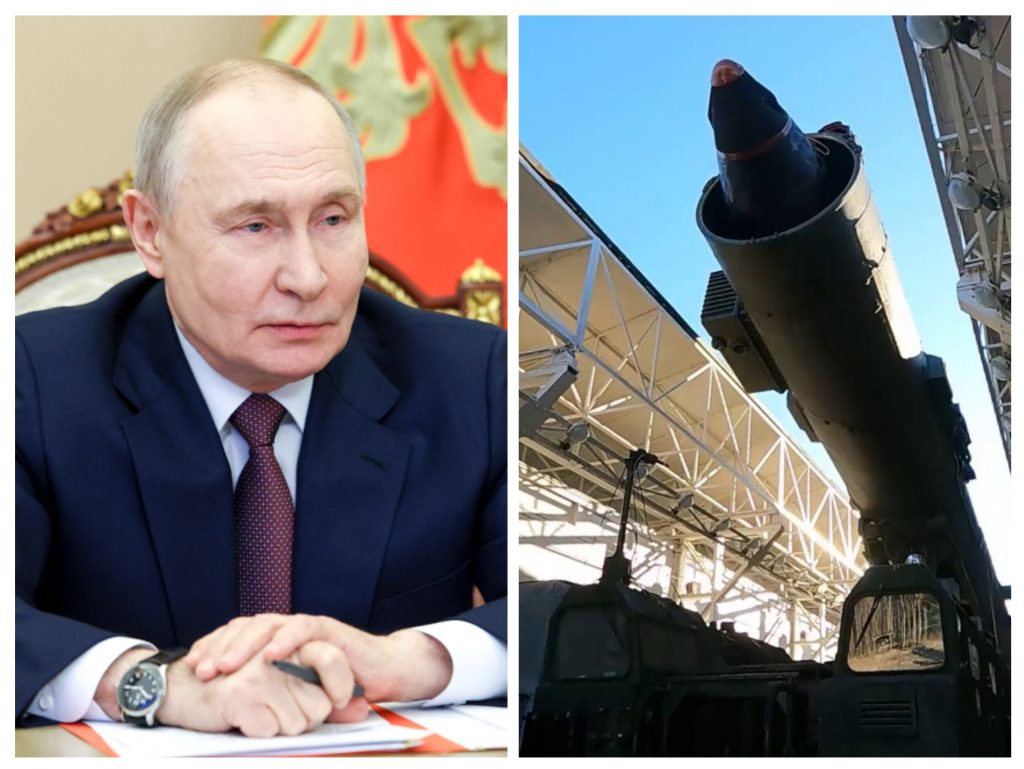
Vladimir Putin has ordered the deployment of advanced missile systems to Belarus, a move that has sparked concern among opposition figures and renewed scrutiny from Western analysts over the potential expansion of the war’s security footprint beyond Ukraine.
Belarusian opposition leader Sviatlana Tsikhanouskaya, currently in exile, warned that the growing Russian military presence in Belarus signals possible escalation and urged European governments to monitor developments more closely.
She said the continued integration of Russian forces and weapons systems into Belarusian territory suggested preparations that could heighten tensions not only for Ukraine but across the continent.
Concerns Over Regional Spillover
Tsikhanouskaya noted she had discussed the risks with Ukrainian President Volodymyr Zelensky, stressing that any escalation could have consequences reaching deeper into Europe.
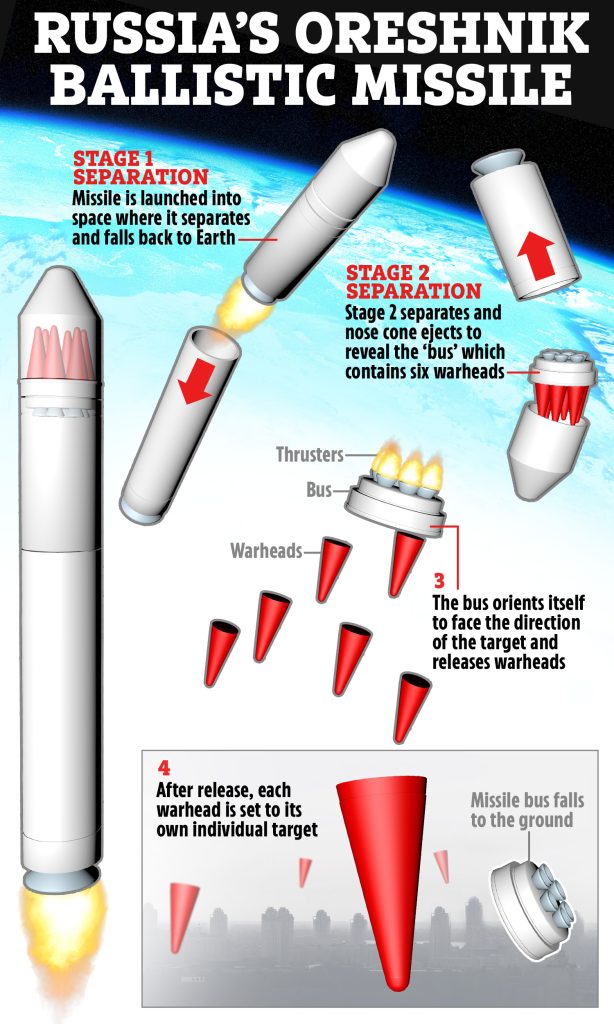
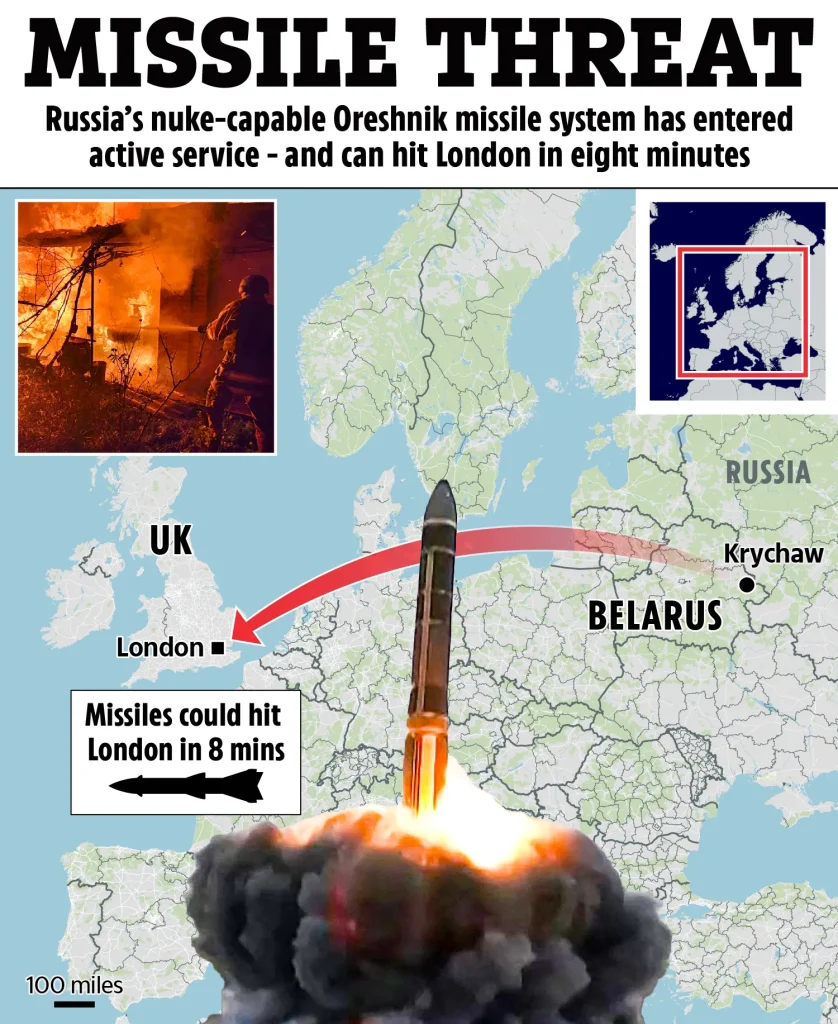
Military experts say the deployed systems are capable of striking targets at long range, theoretically placing parts of Western Europe, including the United Kingdom, within rapid reach if armed with certain payloads. Russia has indicated that current deployments carry conventional warheads, though the platforms are designed to be nuclear-capable.
Belarus Becomes a Key Staging Ground
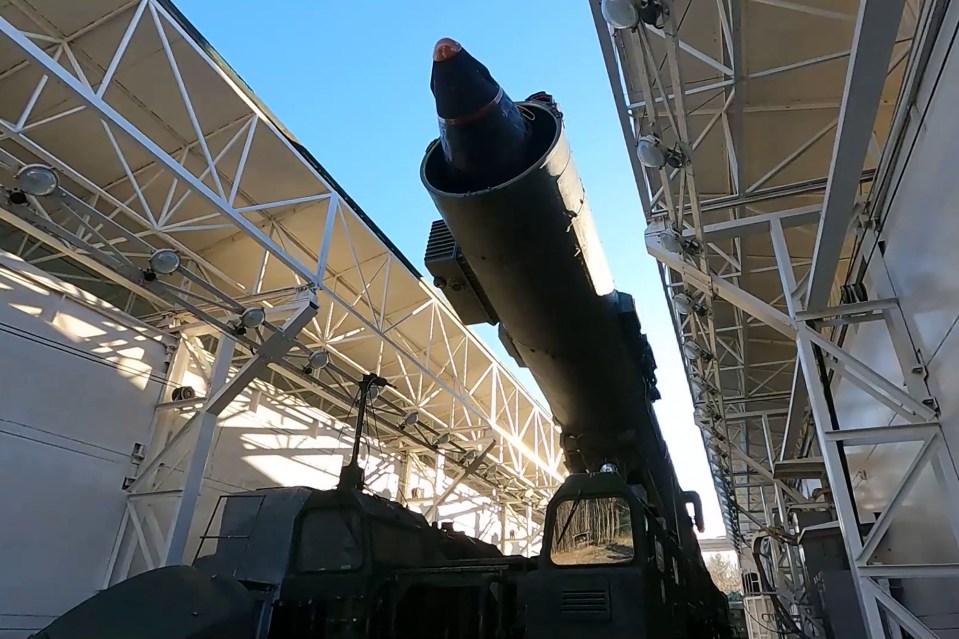
Belarusian leader Alexander Lukashenko has confirmed that multiple launch systems will be stationed in the country, further cementing Minsk’s role as a strategic partner to Moscow since the start of Russia’s full-scale invasion of Ukraine.
Satellite imagery has pointed to activity near Krychau, where new structures and refurbished rail infrastructure have appeared at what had been a disused airfield, suggesting preparations for long-term deployment.
Analysts Divided on Strategic Impact
According to imagery reviewed by analysts at CNA, visible equipment at the site may include launcher vehicles and support assets, indicating a rapid operational build-up.
However, some Western officials have urged caution against overstating the shift. Former U.S. envoy Kurt Volker argued that control of any nuclear-capable systems remains firmly in Russian hands regardless of whether they are stationed inside Russia or Belarus.
He suggested the deployment may not fundamentally alter the strategic balance, noting that such weapons have long been aimed at NATO countries.
Rising Military Activity in Belarus
The move coincides with intensified military drills across Belarus, including exercises involving ballistic and cruise missile units, as well as combat readiness inspections overseen by Lukashenko.
The developments unfold against the broader backdrop of the Russia-Ukraine war and shifting global alignments, including reports of support for Moscow from North Korea, adding another layer of geopolitical tension.
A Signal Ahead of Uncertain Diplomacy
While some analysts see the deployment as a pressure tactic ahead of future negotiations, others interpret it as part of a longer-term strategy to expand Russia’s forward military posture.
Either way, the militarisation of Belarus continues to blur the lines between national territories in the conflict, raising fears that Europe’s security landscape could face a prolonged period of instability.