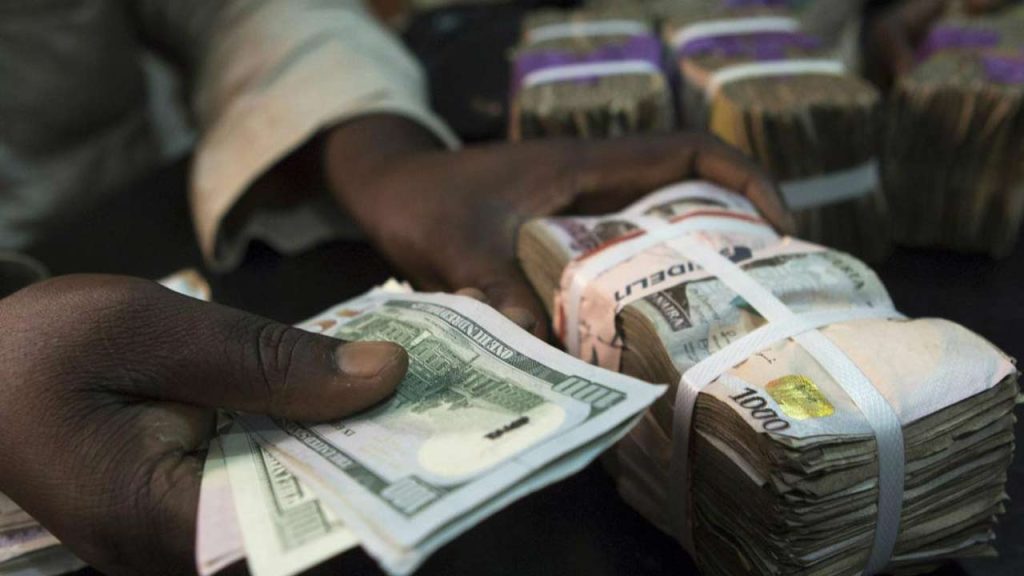
The naira recorded a slight shift against the United States dollar at the parallel market on Tuesday, February 17, 2026, with fresh figures from currency traders in Lagos indicating moderated demand for the greenback.
Data obtained from Bureau De Change (BDC) operators showed that the dollar was sold at ₦1,390 and bought at ₦1,370 in the black market, also known as the parallel market. The rates reflect ongoing fluctuations driven by supply constraints, importer demand, and speculative trading outside the official foreign exchange window.
Parallel Market (Black Market) Rates
| Currency Pair | Buying Rate | Selling Rate |
|---|---|---|
| USD/NGN | ₦1,370 | ₦1,390 |
Despite the continued reliance on the informal market by many Nigerians and businesses seeking quicker access to foreign currency, the Central Bank of Nigeria maintains that it does not recognize transactions conducted in the parallel market. The apex bank has repeatedly advised individuals and companies seeking foreign exchange to process their requests through authorized financial institutions.
Official CBN Window Rates
At the official foreign exchange market, the naira traded within a narrower band:
| Currency Pair | Highest Rate | Lowest Rate |
|---|---|---|
| USD/NGN | ₦1,344 | ₦1,318 |
The gap between the official and parallel market rates highlights persistent pressure on Nigeria’s FX liquidity, a situation analysts attribute to limited dollar inflows, rising import obligations, and cautious investor sentiment.
Financial experts note that exchange rates in the black market can vary significantly depending on location, transaction volume, and bargaining power, meaning the figures quoted may differ from the actual rates available to buyers and sellers at any given time.
The divergence between both markets continues to shape pricing, business costs, and household purchasing power, making daily exchange rate movements a key indicator of Nigeria’s broader economic stability.