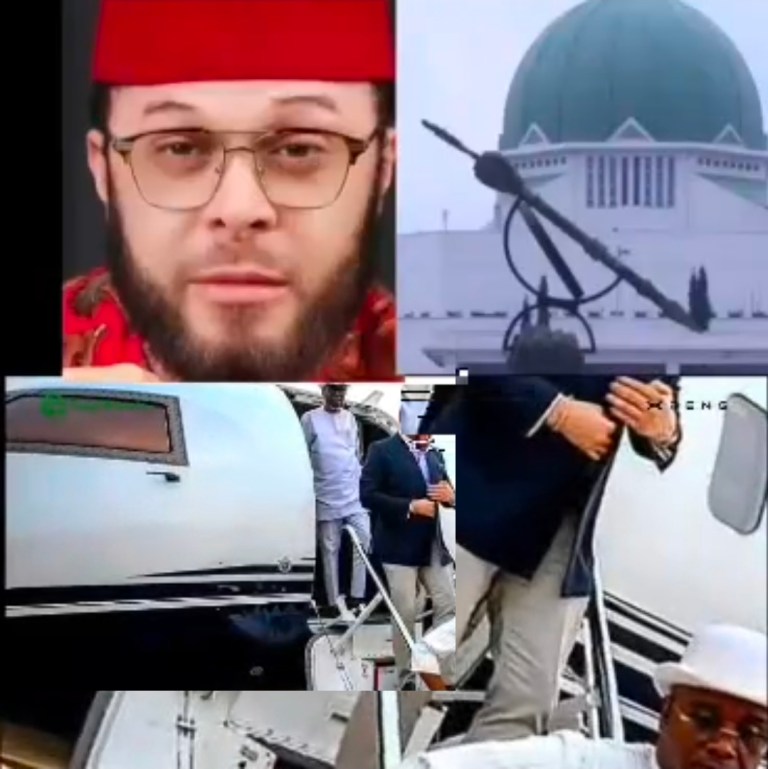
A video currently making the rounds on social media has sparked widespread reactions after showing a member of the House of Representatives, Alex Mascot Ikwechegh, arriving at the National Assembly complex in a high-end electric vehicle manufactured by XPeng.
The footage, which has quickly gone viral, captures the Abia-born politician popularly known among supporters as “Onyeocha na Aba” driving into the legislative premises in what observers describe as a sleek and luxurious electric SUV, reportedly valued at over ₦160 million.
The development comes barely two weeks after Ikwechegh drew national attention for his outspoken stance against alleged financial irregularities. The lawmaker had earlier positioned himself as a key whistleblower in the controversy surrounding ₦1.15 trillion in undisbursed capital funds, a revelation that intensified scrutiny on government spending and accountability. The fallout from the issue reportedly contributed to the removal of the Minister of State for Finance under the administration of Bola Ahmed Tinubu.
At the time, Ikwechegh was widely praised in some quarters for his bold rhetoric, including his assertion that “misappropriation of funds is a crime.” His comments resonated strongly with Nigerians frustrated by persistent concerns over transparency and the management of public resources.
However, the emergence of the new video has shifted public conversation. Many Nigerians have taken to social media to question the source of the funds used to acquire such an expensive vehicle, echoing the same accountability standards the lawmaker previously demanded from government officials.
The luxury electric vehicle in question is not considered a regular purchase by Nigerian standards. Models produced by XPeng are known for combining advanced technology with premium design, often placing them in the category of high-end automobiles reserved for the affluent.
For critics, the situation highlights a perceived contradiction between Ikwechegh’s public image as an advocate for the common citizen and the display of significant personal wealth. Some argue that, regardless of how the vehicle was acquired, the optics risk undermining the credibility he built during his anti-corruption push.
Supporters, on the other hand, maintain that personal success or ownership of luxury items does not automatically imply wrongdoing, urging caution against drawing conclusions without evidence.
As debate continues to unfold online, the incident underscores a broader issue in Nigeria’s political landscape where public officials are often held to intense scrutiny, not only for their actions in office but also for their personal lifestyles.
Whether the controversy will have any lasting political impact remains to be seen, but for now, it has reignited conversations around transparency, accountability, and the expectations placed on those who claim to represent the interests of the people.