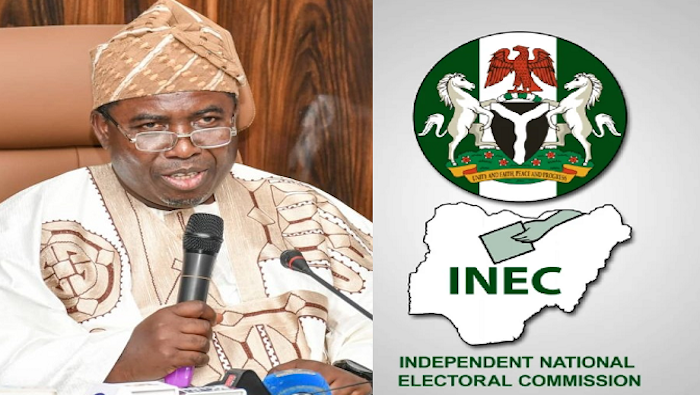
Calls for the resignation of the Chairman of the Independent National Electoral Commission (INEC), Joash Ojo Amupitan, have intensified on social media following allegations linking him to previously deleted posts expressing support for the All Progressives Congress (APC).
The controversy erupted after screenshots of posts, said to date back to the 2023 election period, resurfaced online. The posts were allegedly traced to an account associated with Amupitan and appeared to show confidence in the electoral chances of the APC during the lead-up to the general elections.
Some of the content was interpreted by users as openly supportive of the party and its presidential candidate, Bola Ahmed Tinubu, raising concerns about the neutrality expected of the nation’s electoral body.
As the screenshots circulated widely on X (formerly Twitter), Nigerians expressed sharply divided opinions. Critics questioned whether the electoral umpire could remain impartial if the allegations proved true, while others dismissed the claims as politically driven attempts to undermine confidence in the commission.
Several users accused the INEC chairman of attempting to cover his tracks, alleging that changes were made to the account after the posts gained attention. One user, identified as Chude, claimed the swift alteration of the account raised doubts about the integrity of future elections.
Another user, Sparrow, also alleged that the account had been modified, suggesting it reflected deeper political loyalties.
However, not all reactions were critical. Some users defended Amupitan, arguing that the allegations were part of a coordinated smear campaign aimed at discrediting him ahead of upcoming electoral activities. Supporters maintained that the claims lacked verified proof and warned against rushing to conclusions based on unconfirmed online content.
Despite the growing debate, INEC has yet to issue an official statement addressing the allegations as of the time this report was filed, leaving the controversy unresolved and fueling further public scrutiny.