Ivory Coast has dissolved its electoral commission following mounting criticism from opposition parties over the credibility and independence of the body responsible for organising elections in the country.
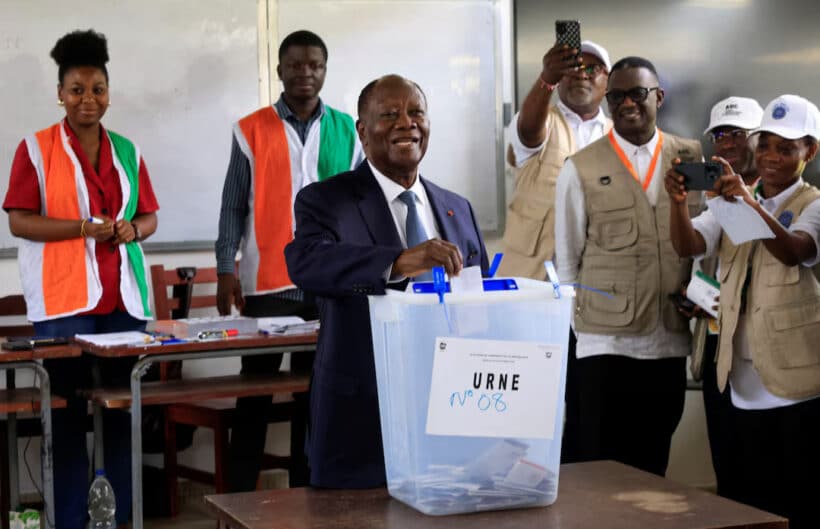
The decision was announced on Wednesday after a cabinet meeting, months after the country’s controversial presidential election in October in which President Alassane Ouattara secured a disputed fourth term in office amid the exclusion of several prominent opposition figures from the race.
Government spokesman and Communications Minister Amadou Coulibaly confirmed that the Council of Ministers had approved the dissolution of the Independent Electoral Commission (CEI), citing widespread concerns raised by political stakeholders.
According to Coulibaly, the move was taken in response to growing reservations and criticism surrounding the electoral body’s impartiality and effectiveness.
He, however, did not provide details about what institution or mechanism would replace the commission, stating that discussions on a new framework would continue at the government level.
“The aim is to ensure, in a lasting way, the organisation of peaceful elections by creating greater trust and reassuring all Ivorians and the political class,” the minister explained.
The dissolution has already triggered fresh calls for political dialogue in the country. Former Prime Minister Pascal Affi N’Guessan urged the government to engage opposition parties and civil society organisations in rebuilding the country’s electoral system.
In a message posted on X, N’Guessan stressed the need for inclusive consultations “in the name of peace and stability.”
Meanwhile, major opposition parties, including the Democratic Party of Ivory Coast (PDCI) led by Tidjane Thiam and the African Peoples’ Party-Ivory Coast (PPA-CI) of former President Laurent Gbagbo, had not publicly reacted as of the time of reporting.
Both Thiam and Gbagbo were barred from participating in the last presidential election due to separate legal and nationality-related issues, developments that intensified criticism of the country’s electoral process.
For years, opposition groups in Ivory Coast have accused the electoral commission of lacking independence and favouring the ruling establishment. The commission had been responsible for organising elections, supervising the electoral register, and ensuring compliance with the nation’s electoral laws.
Political observers say the dissolution of the commission could mark a significant turning point in Ivory Coast’s democratic process, depending on how the government proceeds with reforms and consultations ahead of future elections.