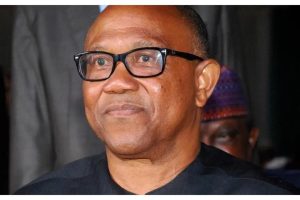
Former Nasir El-Rufai was reportedly taken back into custody on Monday shortly after a Federal High Court in Abuja granted him bail in an ongoing national security case filed by the Department of State Services (DSS).
The court had approved bail for the former governor in the sum of N100 million with one surety in like amount. As part of the bail conditions, El-Rufai was also ordered to surrender his international passports and report to the DSS regularly.
Following the ruling, members of his legal team, political associates, and family supporters reportedly expected his immediate release from custody.
However, the situation took a dramatic turn when DSS operatives allegedly moved in and re-arrested the former governor as he exited the court premises.
The case against El-Rufai centres on allegations that he unlawfully intercepted communications allegedly connected to the Office of the National Security Adviser. The issue had earlier generated public attention after the former governor spoke about the matter during a television interview earlier this year.
Reports indicate that the DSS recently amended the charges against him as proceedings continued in different courts.
Family members and supporters who gathered outside the facility where he was taken reportedly condemned the development, describing it as a disregard for the authority of the court.
The latest incident has also renewed public discussion about the involvement of multiple federal agencies in investigations linked to the former governor.
Observers noted that the Independent Corrupt Practices and Other Related Offences Commission (ICPC) has also been linked to separate investigations involving financial matters tied to El-Rufai’s administration during his time as governor of Kaduna State.
Since leaving office, El-Rufai has reportedly faced a series of investigations and legal scrutiny. He was first said to have honoured an invitation from the Economic and Financial Crimes Commission (EFCC) in February, after which his custody allegedly shifted between different security agencies.
Court proceedings in both Kaduna and Abuja have since involved multiple bail applications, adjournments, and disagreements regarding which agency currently has authority over his detention.
While supporters of the former governor believe the investigations may be politically motivated and aimed at weakening his future political influence, others insist that the seriousness of the allegations requires thorough investigation by security agencies.
El-Rufai has consistently denied wrongdoing and maintained that he has cooperated fully with investigators throughout the process.
As of Monday evening, the former governor was still reportedly being held by the DSS, while members of his legal team were said to be preparing fresh legal action challenging the continued detention.
The development has further intensified public debate over the relationship between Nigeria’s judiciary and security agencies, especially in high-profile political and corruption-related cases.