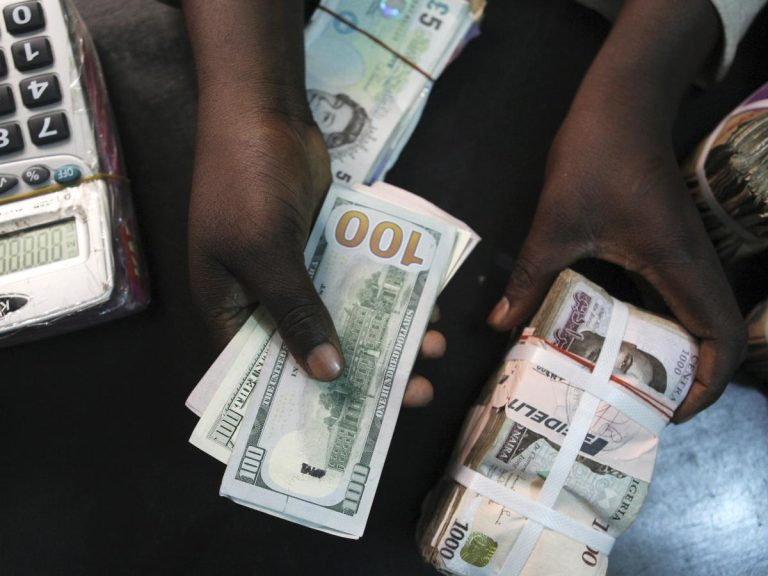
The Nigerian naira maintained relative stability against the United States dollar at the official foreign exchange market on Tuesday, September 8, 2026, as the local currency continued to trade around the ₦1,320 per-dollar level.
Data on the official foreign exchange market showed the naira closing at approximately ₦1,320.25 to $1 on Tuesday, compared with ₦1,320.56 to $1 recorded on Monday.
The latest movement represents a marginal improvement for the naira, with the currency strengthening slightly against the dollar compared with the previous trading session.
Available exchange-rate data also put the official buying rate at about ₦1,319.25 per dollar, while the selling rate stood at approximately ₦1,320.25.
At the parallel market, commonly referred to as the black market, the naira remained weaker than the official rate, with the dollar changing hands at around ₦1,400.
The gap between the official and parallel-market rates highlights the continuing differences between the various segments of Nigeria’s foreign exchange market. Rates offered by commercial banks, Bureau de Change (BDC) operators and other authorised dealers may vary depending on their transaction margins, liquidity positions and prevailing demand and supply conditions.
The Central Bank of Nigeria continues to publish official foreign exchange rates through its foreign exchange market system.
Market watchers are expected to continue monitoring developments in the foreign exchange market, particularly dollar liquidity, foreign-exchange inflows, demand from importers and other businesses, as well as policy measures by the CBN.
The performance of the naira in the coming days could also depend on the availability of foreign currency and broader developments affecting Nigeria’s external reserves and balance of payments.
For Nigerians and businesses that rely heavily on foreign exchange, movements in the naira-dollar rate remain significant because exchange-rate changes can affect the cost of imported goods, international transactions, travel, school fees, raw materials and other dollar-denominated obligations.
As the month progresses, market participants will be watching closely to determine whether the naira can maintain its relative stability at the official market while narrowing the gap with the parallel-market rate.