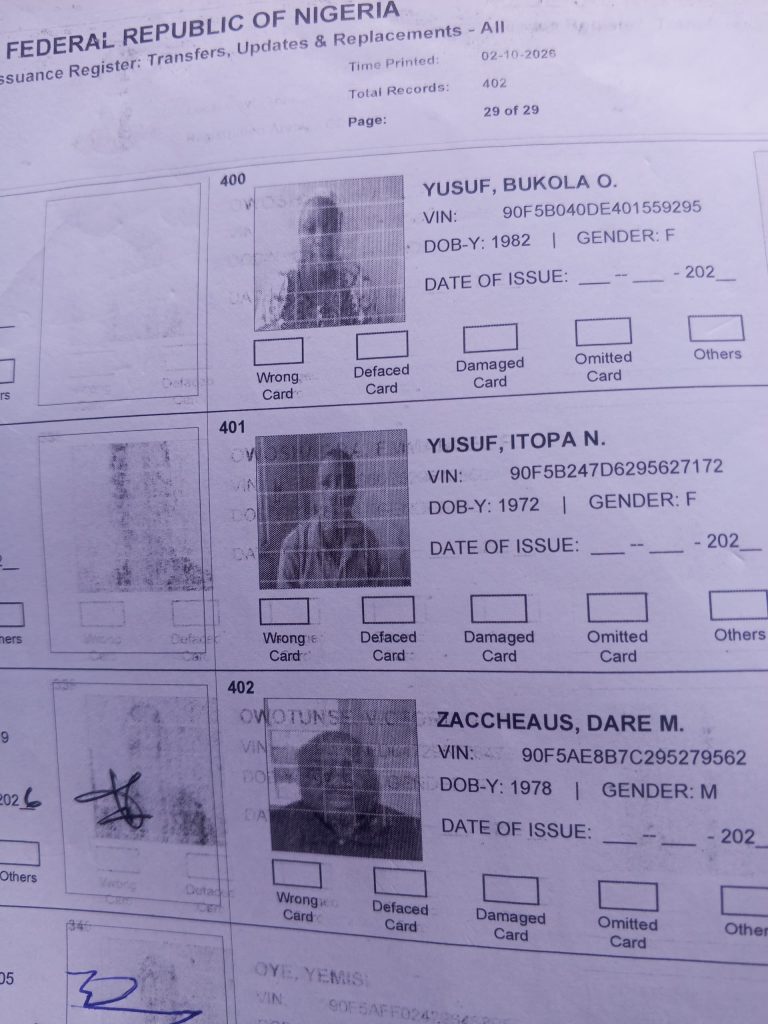
A fresh political controversy is emerging in Kabba/Bunu Local Government Area of Kogi State following reports that the Executive Chairman has transferred his Permanent Voter Card (PVC) registration from Odo-Akete/Bolorunduro Ward to Odolu Ward, where he reportedly resides.
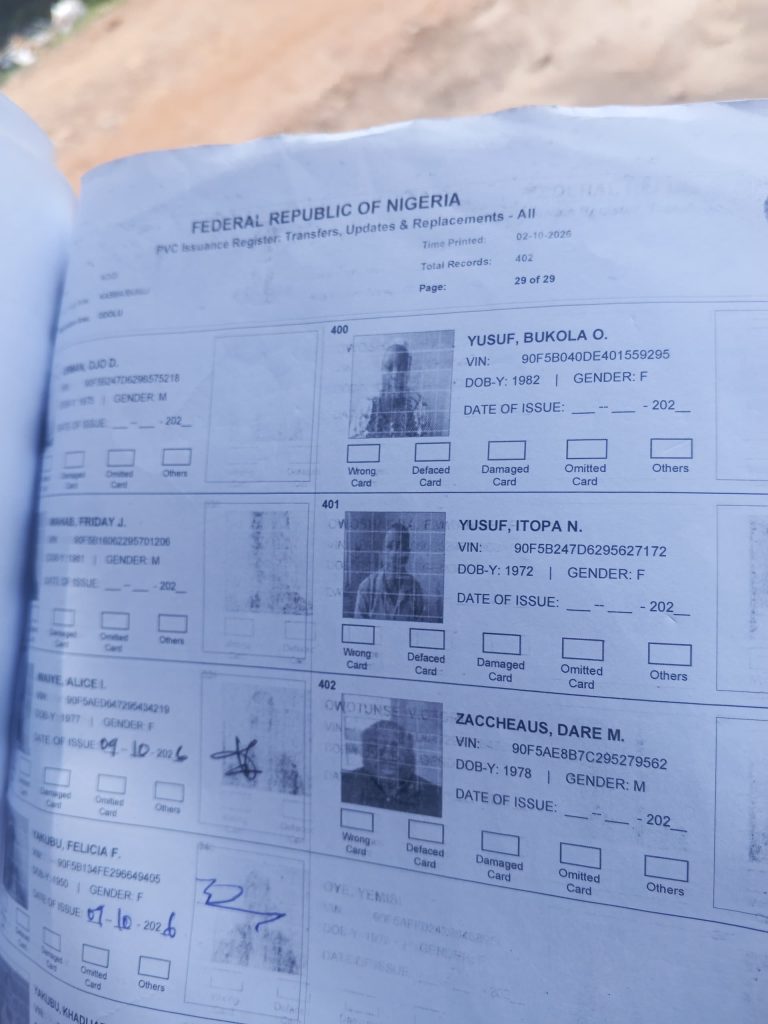
The development has generated concerns among political stakeholders, particularly in Ward A, where questions are being raised about the implications of the reported transfer for the political understanding surrounding the rotation of the local government chairmanship.
For concerned stakeholders, the issue goes beyond a change of voter registration. It has brought renewed attention to political fairness, equitable representation, and the expectations of communities that believe they are yet to have their turn to produce the local government chairman.
According to the ward groupings referenced by local political stakeholders, the nine wards in Kabba/Bunu are divided into three blocs:
WARD A
- Odo-Akete/Bolorunduro Ward
- Okekoko Ward
- Asuta Ward
WARD B
- Ayeteju/Kajola Ward
- Odolu Ward
- Ayewa Ward
WARD C
- Otu Ward
- Egbeda Ward
- Okedayo Ward
Under the rotational understanding described by stakeholders, the chairmanship is expected to rotate among the three blocs to promote fairness, inclusion, and a sense of belonging across the local government.
However, stakeholders from Ward A maintain that their bloc is yet to produce a chairman under the arrangement they recognise.
This has prompted a fundamental question: if the purpose of the rotation is to give each bloc a fair opportunity, when will Ward A have its turn?
The reported transfer from Odo-Akete/Bolorunduro Ward to Odolu Ward has attracted attention because the two wards belong to different blocs under the grouping described above. Odo-Akete/Bolorunduro belongs to Ward A, while Odolu belongs to Ward B.
Against this background, concerned stakeholders are asking questions about the political implications of the development, particularly regarding the expectations of Ward A and the future of the rotational understanding.
Although eligible citizens have the right to transfer their voter registration in accordance with electoral regulations, the separate question of political rotation remains important to communities that believe they have an outstanding claim to leadership under a mutually accepted arrangement.
The reported PVC transfer does not, by itself, establish that the rotation arrangement has been abandoned. Nevertheless, it has renewed public attention on the concerns of Ward A and the need for clarity from relevant political stakeholders.
Stakeholders from Ward A argue that their communities have played significant roles in the political activities and electoral fortunes of the All Progressives Congress (APC) in Kabba/Bunu.
They maintain that grassroots mobilisation, party loyalty, and electoral contributions should be accompanied by fairness in the distribution of political opportunities.
Their position raises an important question about the relationship between political participation and representation: should communities that contribute to a party’s electoral success continue to wait indefinitely for an opportunity to produce the local government chairman?
For those raising these concerns, the issue is not about denying any individual the right to register to vote where they reside. Rather, it is about ensuring that the expectations created by a rotational understanding are addressed transparently.
The development calls for clarification from relevant political stakeholders on the history and terms of the chairmanship rotation arrangement in Kabba/Bunu.
Key questions include the original understanding regarding rotation among the three blocs, which blocs have produced chairmen under the arrangement, and whether Ward A has been formally recognised as the next bloc to produce the chairman.
These questions deserve answers based on verifiable historical records, documented agreements where available, and open consultation with the communities concerned.
The people of Ward A deserve clarity about their position in the arrangement and whether their expectations remain part of the political understanding guiding the distribution of leadership opportunities.
The reported PVC transfer has reopened a sensitive political discussion in Kabba/Bunu. At its heart is the question of fairness and whether communities can continue to trust a rotational understanding when some believe their opportunity to produce the chairman remains outstanding.
The concerns of Ward A should not be dismissed. Relevant political stakeholders should provide clear explanations, review the history of the arrangement, and engage the affected communities in constructive dialogue.
Political unity is strengthened when agreements are clear, expectations are addressed honestly, and every community believes it has a fair opportunity to participate in leadership.
The question remains: after contributing to the political fortunes of Kabba/Bunu, when will Ward A have its opportunity to produce the local government chairman?
The people deserve clarity, fairness, and a transparent discussion of the rotational understanding.