Opposition political parties and leaders in Delta State have intensified criticism of Governor Sheriff Oborevwori’s administration, raising concerns over political violence, alleged lack of financial transparency, infrastructure priorities and the state’s economic performance ahead of the 2027 general elections.
The criticisms have placed the governor’s security record, development agenda and management of public resources under renewed scrutiny, with opposition figures questioning whether the administration has adequately addressed some of the state’s pressing challenges.
However, the governor’s allies have dismissed several of the accusations as political propaganda, insisting that opposition parties are attempting to discredit the administration rather than engage with its record.
Political violence sparks fresh controversy
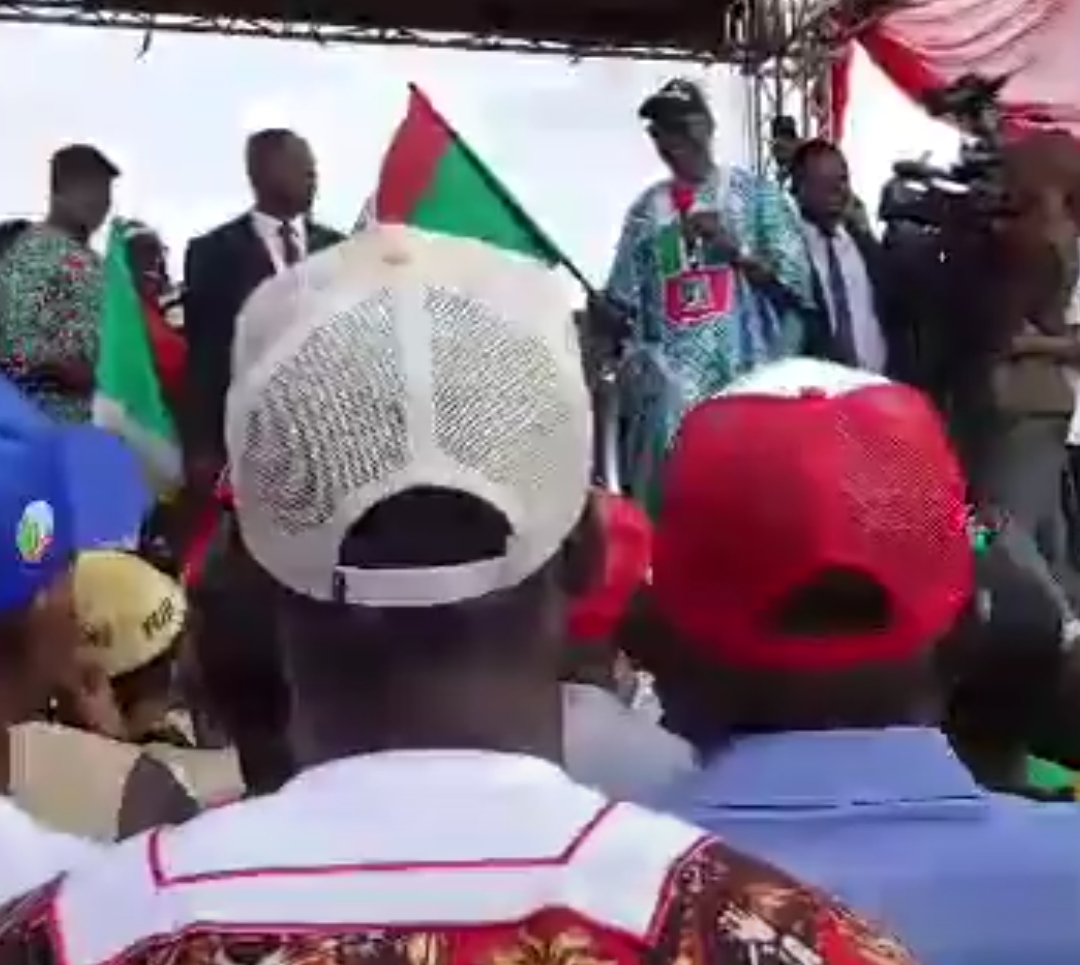
One of the most serious criticisms followed the deadly attack on a campaign rally organised by the Nigeria Democratic Congress (NDC) in Uduere community, Ughelli North Local Government Area.
The attack, which occurred during a campaign tour by former Deputy Senate President Ovie Omo-Agege, reportedly left several people dead and others injured.
Omo-Agege, who is the NDC candidate for Delta Central Senatorial District in the 2027 elections, escaped the incident.
The NDC and Omo-Agege’s supporters subsequently demanded an independent and transparent investigation, the arrest of those responsible and adequate protection for opposition politicians and their supporters.
The campaign organisation also expressed a lack of confidence in the state police command’s handling of the incident and called for the intervention of the Inspector-General of Police.
The incident triggered further political reactions, with some opposition groups accusing the state government of failing to guarantee a safe environment for political activities.
A youth coalition also called for Oborevwori’s resignation, describing the incident as a major security failure.
However, the governor condemned the violence and promised that everyone found responsible would be brought to justice.
The state government also rejected attempts to link Oborevwori to the attack, while the police commenced investigations and invited several political actors for questioning.
Opposition questions spending and development priorities
Beyond security concerns, opposition figures have questioned the Oborevwori administration’s spending priorities, particularly its investments in major infrastructure projects, including flyovers.
Omo-Agege’s camp has argued that the government should pay greater attention to projects capable of directly addressing the everyday needs of residents rather than prioritising infrastructure it considers less urgent.
The opposition has also demanded greater transparency in the implementation of the governor’s MORE Agenda, including detailed information on government expenditure and federal allocations received by the state.
It argues that residents deserve a clearer account of how public resources are being deployed and the measurable benefits of government projects.
Unemployment and economic performance
The state’s economic performance, particularly youth unemployment and the utilisation of its industrial and agricultural potential, has also become a major subject of opposition criticism.
The Nigeria Democratic Congress governorship candidate, Chris Iyovwaye, has argued that Delta State has not fully exploited its industrial capacity to create employment opportunities and stimulate economic growth.
Similarly, the African Action Congress (AAC) governorship candidate, Isaac Eshor, has criticised the government’s handling of agricultural development, alleging that an agricultural investment initiative reportedly worth about $1 billion was frustrated.
The opposition maintains that Delta’s economic potential should translate into more employment opportunities, stronger industrial activities and improved living conditions for residents.