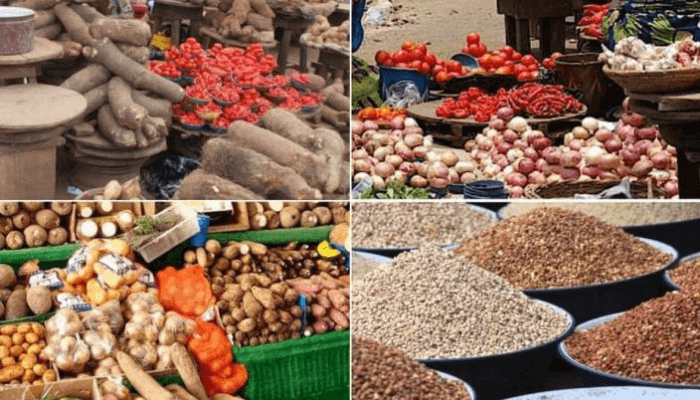
As of February 7, 2025, Nigeria continues to experience a sharp rise in food prices, affecting essential commodities such as rice, beans, tomatoes, and poultry.
The surge in costs is largely driven by economic factors, including high inflation, currency depreciation, and disruptions in agricultural production caused by insecurity and adverse weather conditions.
Current Prices of Key Food Commodities
- Rice: A 50kg bag is currently priced between ₦75,000 and ₦90,000.
- Beans: A 50kg bag sells between ₦78,000 and ₦85,000.
- Tomatoes: A basket is selling for approximately ₦55,000.
- Yam: A single tuber ranges from ₦3,000 to ₦4,000, depending on size and quality.
- Palm Oil: A 25-litre container is available for about ₦50,000.
- Chicken: The price of 1kg of chicken meat is around ₦5,000.
Key Factors Driving Food Price Increases
- Inflationary Pressures
Nigeria’s inflation rate has remained on an upward trajectory, reaching a nearly three-decade high of 34.8% in December 2024. Food inflation, in particular, stood at 39.84%, significantly impacting the affordability of staple foods. - Currency Devaluation
The continued depreciation of the Naira has raised the cost of imported goods and agricultural inputs such as fertilizers and machinery, further driving up food production costs. - Agricultural Disruptions
- Insecurity: Persistent attacks in key farming regions have forced many farmers to abandon their lands, leading to supply shortages.
- Adverse Weather Conditions: Unpredictable rainfall patterns and severe flooding in 2024 disrupted planting and harvest cycles, reducing overall food availability.
Government Response and Policy Measures
To mitigate the economic burden on households, the Nigerian government has proposed a series of fiscal and tax reforms aimed at stabilizing the economy:
- Tax Adjustments: Plans to increase the Value-Added Tax (VAT) to 12.5% by 2026, with exemptions on essential items like food and medicine to ease the cost burden on citizens.
- Agricultural Investment: Initiatives to boost local food production, including subsidies for farmers and enhanced security in farming communities.
- Currency Stabilization Efforts: Policies aimed at managing foreign exchange fluctuations to reduce the cost of importing essential agricultural inputs.
Impact on Households and Food Security
The persistent rise in food prices continues to pose serious challenges for Nigerian households, particularly low-income earners who spend a significant portion of their earnings on food. Without immediate interventions to address inflation and improve agricultural output, food insecurity may worsen in the coming months.
Outlook and the Need for Continuous Monitoring
As food prices remain a critical concern, ongoing monitoring of inflation trends and government policies will be essential in shaping effective interventions. Policymakers, economists, and stakeholders must work collaboratively to implement solutions that ensure food remains accessible and affordable for all Nigerians.