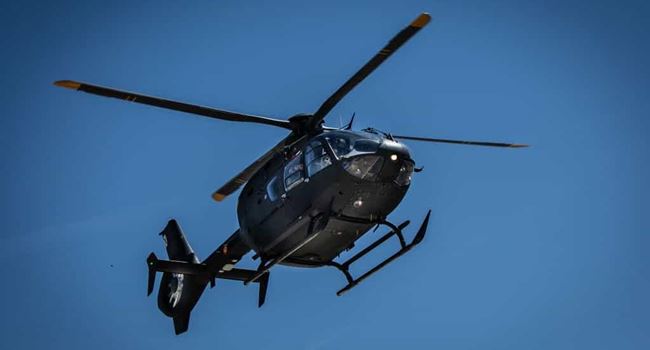
Some women and children abducted from Woro community in Kaiama Local Government Area of Kwara State have reportedly told relatives that money was delivered to their captors by helicopter days before they regained freedom.
According to Sahara Reporters, the account, which has not been independently verified, appears to contradict the Federal Government’s position that the victims were rescued through a coordinated security operation without ransom payment.
A relative who recently visited some of the freed victims said two members of his family were surprised when they heard government officials describe their release as a successful military rescue.
According to him, the victims claimed they witnessed a helicopter arrive at their location in the forest and deliver money to the kidnappers shortly before they were released.
“When they heard that the government was claiming they were rescued and that no money was paid, two of my family members were shocked,” the relative said.
The relative said the abductees were prevented from approaching the money when it was allegedly brought to the kidnappers.
He said, “They said a helicopter came while they were in captivity and money was brought to the kidnappers. They saw it, but they were not allowed to touch the money.
“The kidnappers prevented them from going near it. This was a few days, like four to five days before they were released.”
FG Described Release As Rescue Operation
The allegation comes days after Nigerian security forces announced the release of more than 300 abducted persons in an operation President Bola Tinubu described as the country’s largest single-day hostage rescue.
Among those freed were 163 people abducted from Woro community, alongside 145 other victims, many of whom were said to have been taken from neighbouring Niger State.
During attacks on Woro and Nuku communities in Kaiama LGA, 176 people, mostly women and children, were initially abducted.
Authorities later announced the recovery of 163 of the Woro victims. Survivors reportedly said 13 people died during their nearly six months in captivity.
Accounts from survivors indicated that the abductees endured severe hardship while being held in the forest.
They reportedly suffered from hunger, inadequate medical care and exposure to harsh weather conditions.
Some of the captives were said to have received only one meal daily, while makeshift shelters were later erected to protect them from rainfall.
The victims were reportedly recovered around the Kainji Lake National Park area following an operation involving the military, police and counter-terrorism personnel.
The Presidency described the operation as an intelligence-led success and commended the security agencies involved.
Following their release, the victims were taken for medical assessment before being reunited with their families.
Many were reportedly in poor physical condition after spending several months in captivity.