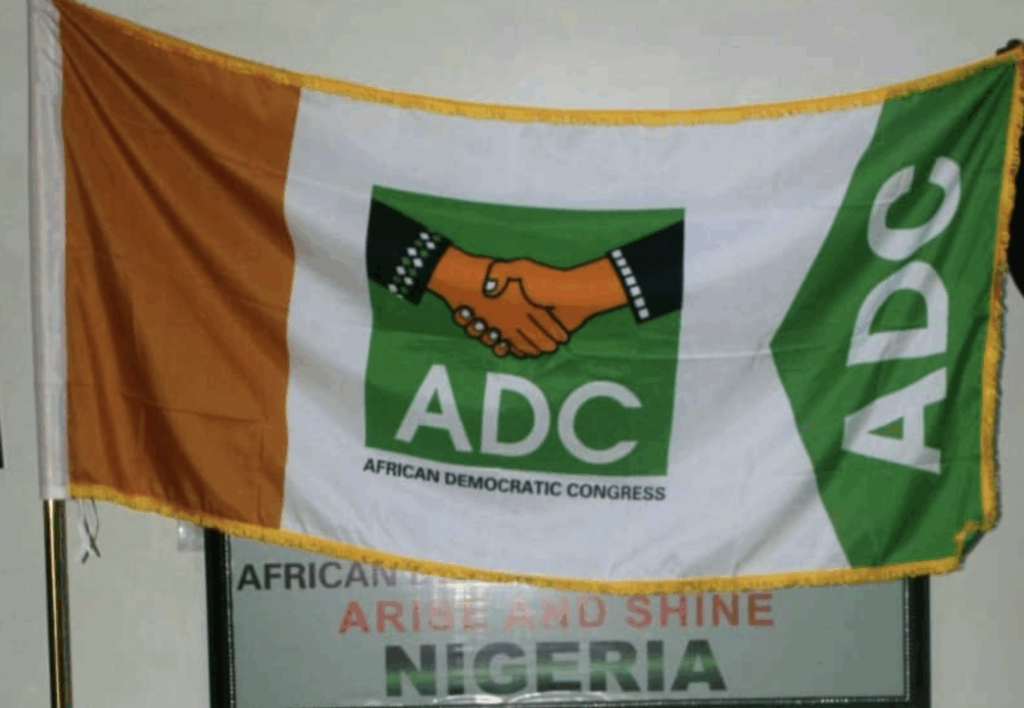
Nigerian human rights lawyer Inibehe Effiong has strongly criticized the Independent National Electoral Commission (INEC) over its handling of the leadership crisis rocking the African Democratic Congress (ADC), alleging that the commission’s actions are aimed at favouring the administration of President Bola Ahmed Tinubu ahead of the 2027 elections.
Effiong accused INEC of taking steps that could weaken opposition parties, warning that if the intention is to allow Tinubu run unchallenged, the commission should openly admit it.
His remarks come amid controversy over reports that INEC removed the names of former Senate President David Mark and former Osun State governor Rauf Aregbesola from the ADC leadership register.
According to Effiong, the move has effectively created what he described as an artificial leadership vacuum within the party, potentially crippling its ability to organize and prepare for the 2027 general elections.
Leadership Tussle Deepens
The crisis within the ADC reportedly began after members of the party’s executive committee stepped down to pave the way for David Mark to emerge as National Chairman and Aregbesola as National Secretary appointments later ratified at a National Executive Committee (NEC) meeting.
However, the arrangement was challenged in court by Nafiu Gombe, who insisted he never resigned as Deputy National Chairman and should automatically assume the top position in line with the party’s constitution.
Effiong questioned the growing trend of internal party disputes being settled in court, arguing that such matters should remain within party structures rather than the judiciary.
Questions Over INEC’s Role
The lawyer also referenced a ruling by the Court of Appeal directing all parties involved to maintain the status quo pending the resolution of the case at the Federal High Court. He argued that prior to the suit, David Mark was already functioning as chairman, raising concerns about INEC’s interpretation and enforcement of the court order.
He further questioned whether INEC’s actions imply that the ADC should remain without a functional leadership until a final judicial pronouncement is made.
Concerns Ahead of 2027
Effiong warned that the situation could undermine public confidence in the electoral process and cast doubts on the fairness of the 2027 elections.
“If the goal is to avoid a competitive election, it is better for INEC to say so openly,” he argued, adding that actions perceived to weaken opposition parties could damage Nigeria’s democratic credibility.
The controversy adds to growing political tension as parties begin early positioning ahead of the next general elections, with observers closely watching how institutions handle disputes that could shape the electoral landscape.