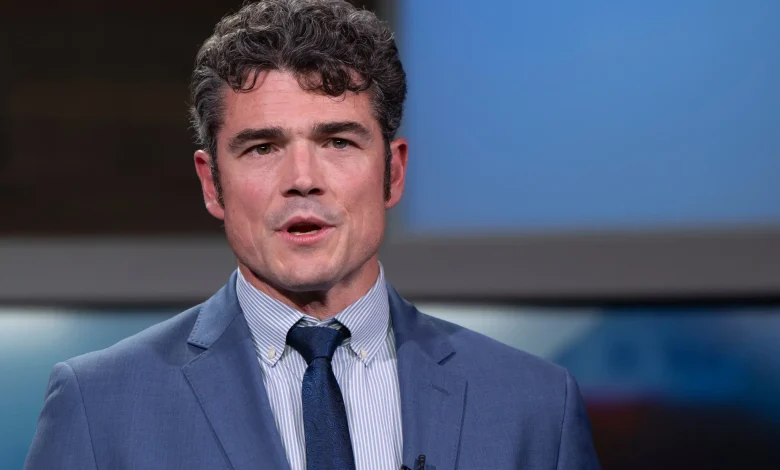
The Director of the U.S. National Counterterrorism Center, Joe Kent, has stepped down from his position, citing strong opposition to President Donald Trump’s war policy toward Iran.
Kent announced his resignation on Tuesday, stating that he could no longer support the administration’s stance on the ongoing conflict.
“I cannot in good conscience back this war,” he said, underscoring his disagreement with the decision to engage militarily.
In a statement shared on social media, Kent further argued that the justification for the conflict was flawed. According to him, Iran did not pose an immediate threat to the United States, and he suggested that external pressures influenced the decision to go to war.
“Iran posed no imminent threat to our nation, and it is clear that we entered this war due to pressure from Israel and its influential lobby in the United States,” he stated.
Kent, who assumed office in July following Senate confirmation, headed the National Counterterrorism Center, a key body responsible for analysing and coordinating intelligence on terrorist threats.
His resignation represents a significant shake-up within the administration’s national security structure, coming at a time of heightened debate over U.S. foreign policy and its approach to Iran.
Before his appointment, Kent contested two congressional elections in Washington State but was unsuccessful. He is also a former Green Beret with multiple overseas deployments and later served in intelligence roles at the Central Intelligence Agency.
His confirmation had earlier sparked partisan divisions in the Senate, with Republicans backing his nomination based on his extensive security background, while Democrats raised concerns over some of his past associations and public remarks.
During his confirmation hearing, Senate Intelligence Committee Chairman Tom Cotton defended Kent, stating that he had “dedicated his career to fighting terrorism and keeping Americans safe.”
Kent’s exit comes amid ongoing debates in Washington over the administration’s handling of the Iran conflict and its broader counterterrorism strategy.