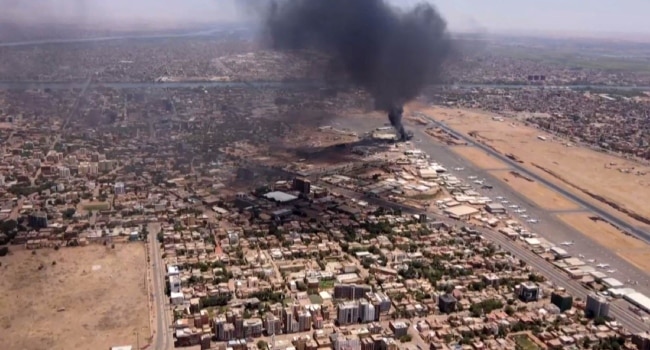
A devastating wave of artillery shelling and air strikes in greater Khartoum on Saturday resulted in the deaths of at least 56 people and left more than 160 others injured, marking one of the deadliest escalations in the ongoing 22-month conflict between Sudan’s regular army and the paramilitary Rapid Support Forces (RSF).
The violent clashes, which targeted both military and civilian areas, have intensified the struggle for control over the capital. Each faction has blamed the other for launching indiscriminate attacks, exacerbating an already dire humanitarian crisis.
Omdurman Market Devastated as Shelling Overwhelms Hospitals
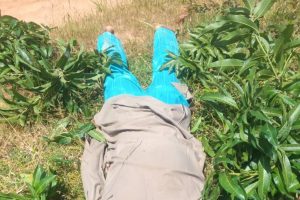
Among the hardest-hit areas was an army-controlled market in Omdurman, where RSF shelling killed at least 54 civilians and injured 158 others. The sheer scale of casualties overwhelmed Al-Nao Hospital, one of the last remaining functional medical centers in the city.
Eyewitnesses described a scene of devastation, with a survivor recounting, “The shells struck in the middle of the vegetable market, which is why there were so many casualties.”
Despite mounting reports linking the shelling to RSF-controlled positions on the western outskirts of Khartoum, the paramilitary group has denied responsibility.
Meanwhile, an air strike carried out by Sudan’s army in RSF-controlled territory in central Khartoum resulted in the deaths of two civilians and left dozens wounded, according to reports from local emergency response teams.
Rising Civilian Toll Amid Ongoing Violations
Both the Sudanese Armed Forces (SAF) and the RSF have faced repeated accusations of war crimes, including attacks on schools, hospitals, and marketplaces. Indiscriminate shelling of residential neighborhoods has added to the growing civilian death toll, with humanitarian organizations warning of worsening conditions.
The Sudanese doctors’ union reported that a shell exploded just meters from Al-Nao Hospital, further straining its already limited resources.
A volunteer at the overwhelmed medical facility painted a grim picture of the situation: “We don’t have enough burial shrouds, blood donors, or even stretchers to carry the wounded. The hospital is barely operational, and we are struggling to save lives.”
Humanitarian Crisis Worsens as Hunger Reaches Critical Levels
The ongoing conflict has severely impacted food supplies, with the United Nations estimating that more than 106,000 people in Khartoum are experiencing famine conditions, while an additional 3.2 million are suffering from severe hunger due to blockades and continued fighting.
The latest escalation follows a major offensive by Sudan’s army, which recently reclaimed Wad Madani, the capital of Al-Jazira State, from RSF control. On Saturday, a militia allied with the army, the Sudan Shield Forces, announced that it had taken control of key towns southeast of Khartoum, including Tamboul, Rufaa, Al-Hasaheisa, and Al-Hilaliya.
However, RSF leader Mohamed Hamdan Daglo vowed to retaliate, promising to reclaim lost territory. “We drove them out before, and we will do it again,” Daglo declared in a rare video address to his fighters.
Death Toll Rises as International Pressure Mounts
Since the conflict erupted in April 2023, Khartoum has been largely reduced to ruins, with entire neighborhoods falling under the control of armed factions. A study conducted by the London School of Hygiene and Tropical Medicine estimates that at least 26,000 people were killed in the capital between April 2023 and June 2024.
Beyond Khartoum, the crisis has worsened in Darfur, where the UN has officially declared famine in five regions, with another five expected to reach similar conditions by May.
The ongoing violence has drawn widespread international condemnation. Both Sudanese army chief Abdel Fattah al-Burhan and RSF leader Daglo have been sanctioned for their roles in the conflict. Before leaving office, the Biden administration accused Burhan of attacking civilian infrastructure and using starvation as a weapon of war. Meanwhile, Washington sanctioned Daglo for alleged human rights violations and orchestrating genocide against non-Arab minorities in Darfur.
Despite diplomatic efforts and mounting global pressure, Khartoum remains a battleground, with millions of civilians trapped in an unfolding humanitarian catastrophe as the war continues with no end in sight.