



Transport experts, policymakers, academics, and industry stakeholders have called for urgent reforms, stronger policy execution, and increased investment in multimodal transport infrastructure to accelerate Nigeria’s economic growth and national development.
The appeal was made at the Global Transport Policy Forum, where participants identified poor interconnectivity among transport modes, weak policy implementation, inadequate infrastructure, and limited stakeholder engagement as key challenges hindering the sector’s progress.
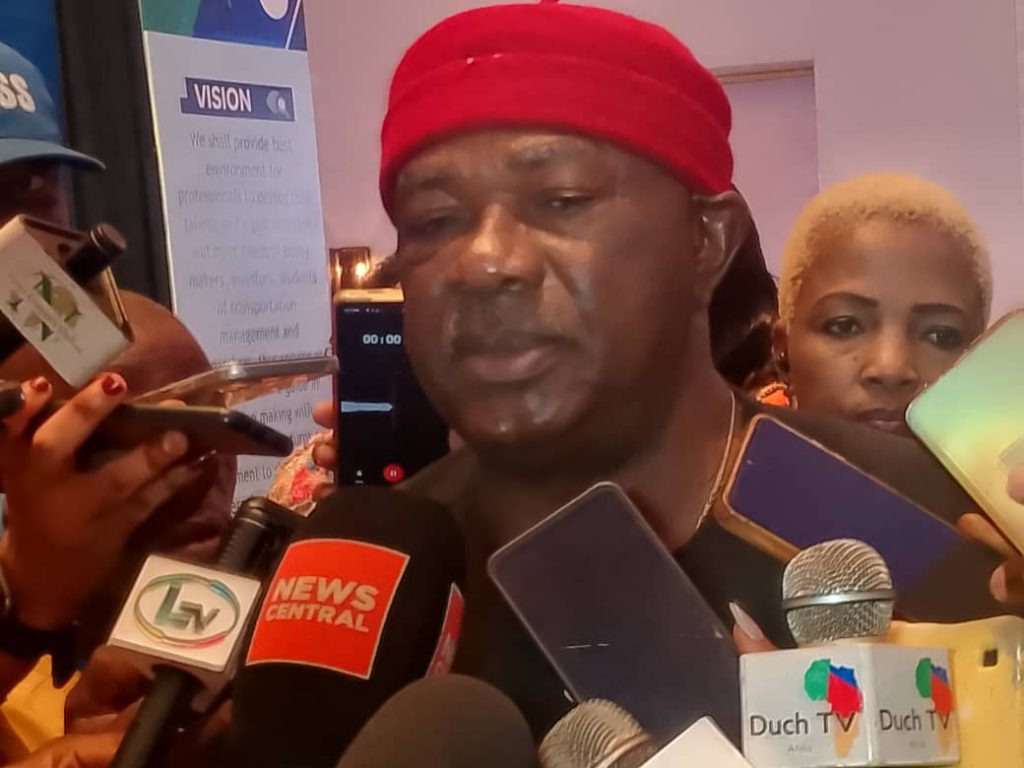
Speaking with journalists at the event, Dr. Boniface Aniebonam Okechukwu described transportation as the backbone of every economy, emphasizing that economic prosperity is closely tied to an efficient transport system. He noted that while Nigeria has numerous transport policies, the major challenge remains effective implementation and enforcement.
“Transport is the base of any economy, whether local or international. If transportation is not properly managed, the economy will also suffer,” he said, stressing the need for strategic policies, unified systems, and comprehensive databases to drive sustainable growth in the sector.
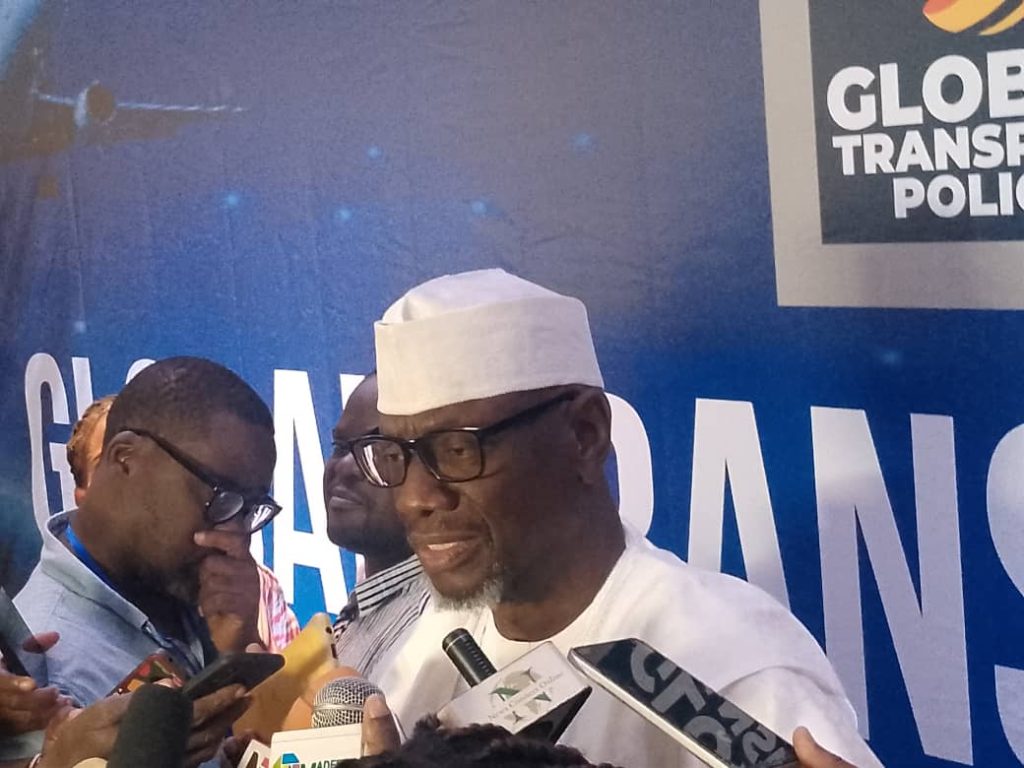
Former Corps Marshal of the Federal Road Safety Corps, Dr. Boboye Oyeyemi, identified the absence of a fully integrated multimodal transport system as one of Nigeria’s most pressing transportation challenges.
According to him, although some elements of intermodal transportation exist, the country still lacks seamless connectivity between roads, railways, seaports, and airports.
“As of today, apart from Abuja, where the Central Business District is connected to the airport by rail, most airports across Nigeria do not have rail links,” Oyeyemi stated.
He advocated policy continuity and sustainability, urging governments at all levels to prioritize multimodal connectivity in future infrastructure projects. Oyeyemi also commended Lagos State’s rail transport initiatives, particularly the Blue and Red Rail Lines, and encouraged other states to adopt similar approaches while aligning with the National Transport Policy.
Chairman of the occasion, Retired Air Commodore Ademola Onitiri, stressed that transportation systems must be seamless, sustainable, and people-focused. He noted that government alone cannot meet the sector’s huge infrastructure demands and called for increased private-sector participation.
“Government should create the enabling environment for private capital participants to come in,” he said.
The forum’s convener, Dr. Segun Musa, said potential investors are ready to finance transport infrastructure projects in Nigeria but require policy consistency and stronger government commitment.
He expressed concern over the absence of several key transport ministries, departments, and agencies at the forum, noting that such platforms are designed to foster interaction between policymakers and investors.
“There are investors willing to invest in infrastructure in Nigeria, but they need to see the political will of government,” Musa said.
He urged the Federal Government to encourage greater involvement of public institutions in transport policy conversations and stakeholder engagements.
Another stakeholder, Kingsley Igwe, underscored the need for deliberate investments in both infrastructure and human capital development to ensure long-term sustainability within the transport sector.
He highlighted the importance of professionalism, behavioural change, public awareness campaigns, and vocational training, pointing to the vandalism of safety facilities along major corridors such as the Oshodi-Apapa Expressway as evidence of the need for continuous public education.
Igwe further recommended that Nigeria should target the annual training and professionalization of between 6,000 and 7,000 people in transport-related disciplines.
With Nigeria’s population exceeding 249 million, alongside rising youth unemployment, he said the transport industry offers significant opportunities for job creation and poverty reduction.
In separate interviews, Dr. Christy Bisiriyu of the School of Transport and Logistics & Supply Management said academic institutions are producing skilled graduates capable of meeting industry needs.
“We are trying to bridge the gap between academia and industry,” she said.
Also speaking, Dr. Fagbenro Abiola of the School of Transport and Logistics, Lagos State University, described the forum as a positive step toward achieving a practical and effective National Transport Policy.
“So far, so good. We haven’t reached the promised land yet, but we are moving in the right direction,” he stated.
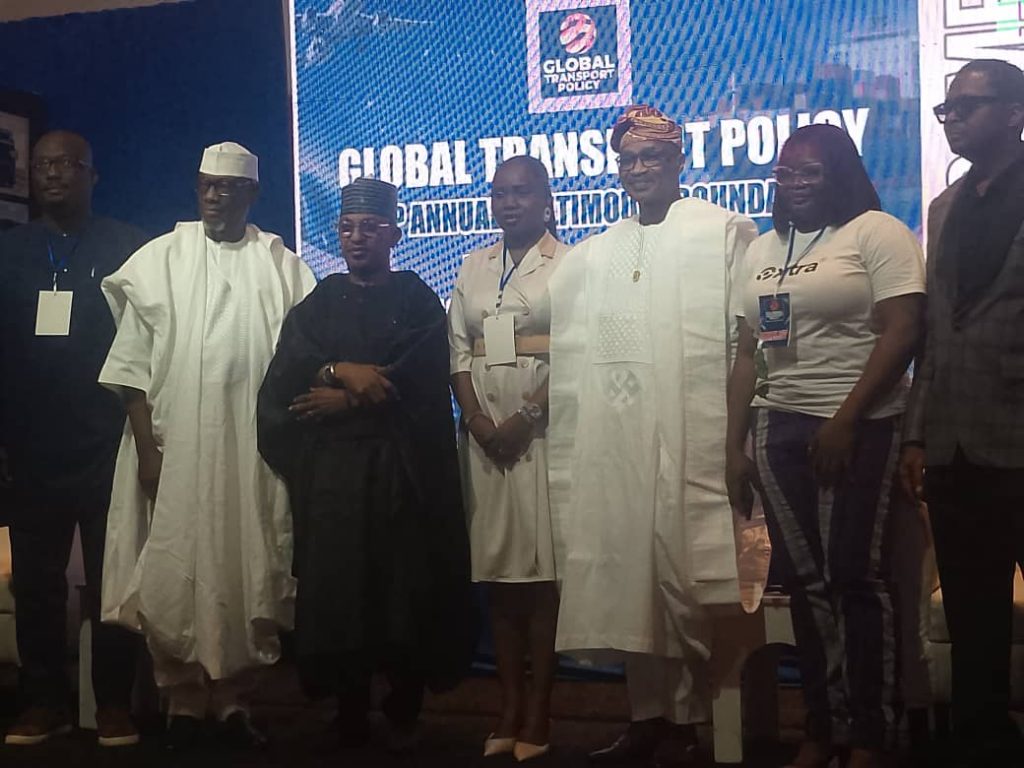
The event attracted prominent participants, including Professor Iyiola Oni, Engineer Tosin Akinleye, Dr. Joshua Odeleye, Mr. Kingsley Igwe, Dr. Boboye Oyeyemi, and a representative of the state governor, among others.
Participants unanimously agreed that stronger policy implementation, integrated transport infrastructure, increased private-sector investment, and capacity building are essential to building a safer, more efficient, and economically rewarding transport system for Nigeria.


