The Indigenous People of Biafra (IPOB) has accused the Nigerian government of deliberately spreading misinformation in order to portray the group as responsible for insecurity in the Southeast.
In a strongly worded statement issued by its spokesperson, Emma Powerful, the pro-Biafra group alleged that authorities were engaged in a coordinated effort to falsely link it to violent activities in the region.
IPOB claimed that the strategy was designed to justify increased military operations in the Southeast while allegedly diverting public funds allocated for security.
The group maintained that it has consistently warned about what it described as attempts by the government and some political figures from the region to frame it for incidents of violence.
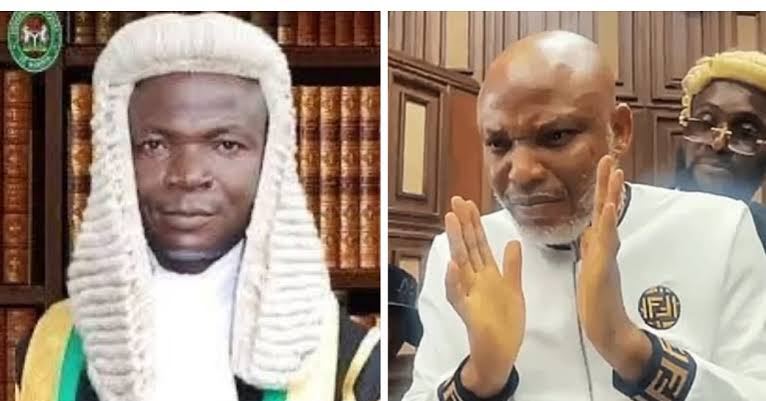
IPOB is led by detained separatist leader Nnamdi Kanu, whose agitation for the creation of a separate Biafran state has remained a major source of political tension in Nigeria.
Allegation over doctored images
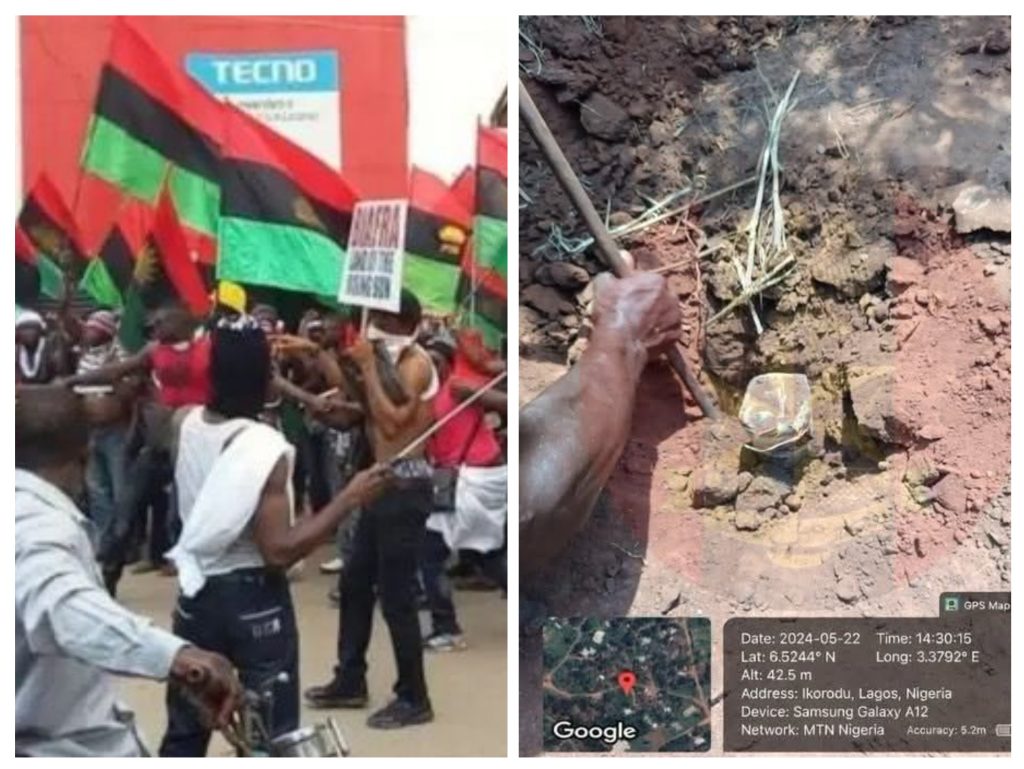
In the statement, IPOB referenced a report by Parallel Facts, which allegedly exposed what the group described as manipulated photographs circulated by the Nigerian military.
According to IPOB, images of improvised explosive devices (IEDs) that were reportedly recovered in the Southwest were allegedly repurposed and presented as items seized in the Southeast during a military operation.
The group alleged that the photos were posted online by Olabisi Olalekan Ayeni, Acting Deputy Director of Army Public Relations for the Nigerian Army 82 Division.
IPOB claimed that the images were linked to a military exercise known as Operation UDO KA and presented as evidence of an alleged bomb factory in Imo State.
However, the separatist group insisted that metadata and image comparisons suggested the photographs were originally connected to incidents that occurred earlier in Oyo State.
IPOB described the alleged incident as a deliberate attempt to portray the Southeast as a conflict zone.
Claims of political conspiracy
The group further alleged that some politicians from the Southeast were collaborating with the federal government to undermine the agitation for Biafra.
According to IPOB, insecurity in parts of the region is being exaggerated or manipulated in order to discredit the organisation and weaken calls for self-determination.
IPOB also linked the alleged campaign to the ongoing legal battle involving its leader, Nnamdi Kanu, whose trial and detention have remained controversial.
Supporters of the separatist leader have repeatedly demanded his release, arguing that his continued detention fuels tensions in the region.
Calls for international intervention
The group called on the international community, particularly the governments of the United States and Israel, to scrutinise Nigeria’s handling of security operations in the Southeast.
IPOB urged foreign governments to review military cooperation with Nigeria and support what it described as an independent investigation into alleged abuses.
The organisation reiterated its position that it remains committed to the pursuit of self-determination through non-violent means.
It also demanded the release of Nnamdi Kanu and called for the withdrawal of military operations from communities in the Southeast.
Ongoing tensions
The allegations come amid continued security operations in several parts of the Southeast, where Nigerian security agencies have been targeting armed groups accused of attacks on police stations, government facilities, and civilians.
Authorities in Nigeria have repeatedly accused IPOB of being responsible for acts of violence in the region, an allegation the group consistently denies.
The dispute remains one of the most contentious political and security issues in Nigeria, with both sides presenting sharply different accounts of events in the region.