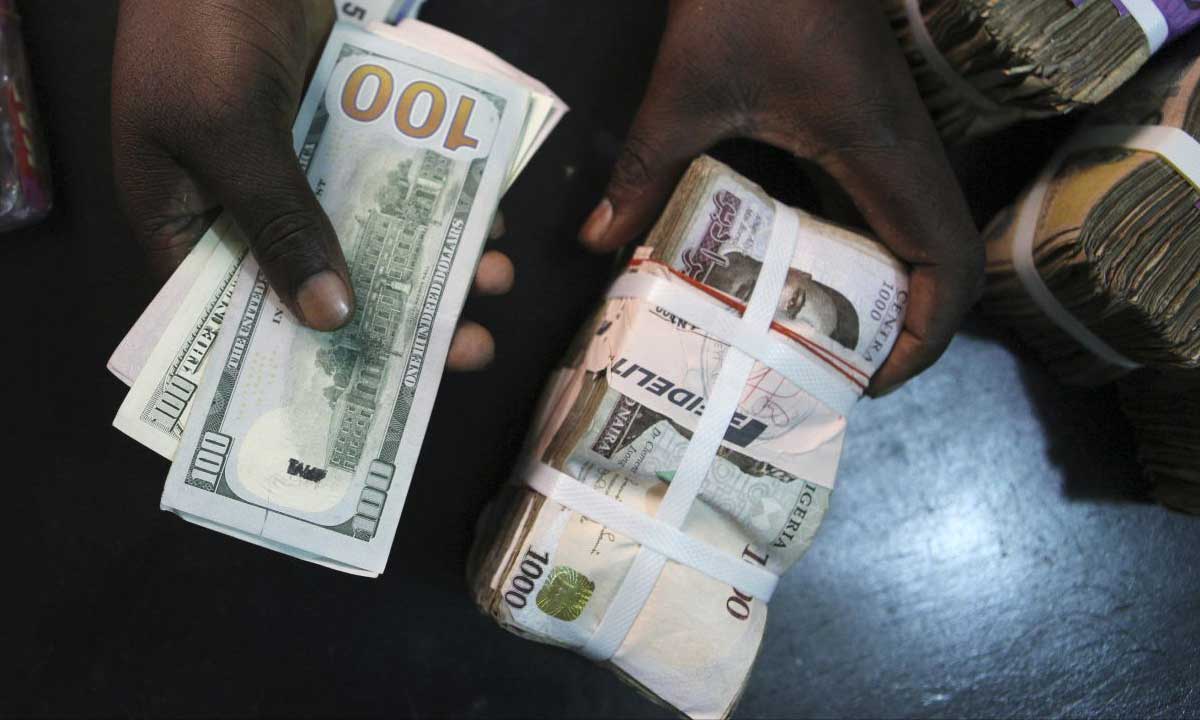
The value of the naira against the US dollar continues to fluctuate across Nigeria’s foreign exchange markets, with noticeable differences between the parallel market and the official window.
According to sources within the Bureau De Change (BDC) segment of the Lagos Parallel Market, the dollar exchanged at an average selling rate of ₦1,410 and a buying rate of ₦1,395 on Saturday, March 21, 2026. These figures reflect ongoing demand pressures in the informal forex market, where individuals and businesses often turn due to limited access to official channels.
Black Market Dollar to Naira Rate
- Selling Rate: ₦1,410
- Buying Rate: ₦1,395
Despite the popularity of the parallel market, the Central Bank of Nigeria continues to distance itself from such transactions. The apex bank maintains that the black market is not recognized and has repeatedly advised Nigerians seeking foreign exchange to process their requests through licensed financial institutions.
Official Dollar to Naira Rate (CBN Window)
At the official market window, rates remain relatively lower compared to the parallel market. Data indicates that the naira traded within the following range:
- Highest Rate: ₦1,362
- Lowest Rate: ₦1,349
The disparity between the official and black market rates highlights ongoing challenges in Nigeria’s forex system, including supply shortages, speculative trading, and high demand for foreign currency.
It is important to note that exchange rates are not fixed and can vary depending on location, volume of transaction, and the dealer involved. As a result, individuals may encounter slightly higher or lower rates than those quoted here when buying or selling foreign currency.
The persistent gap between official and parallel market rates continues to raise concerns among economists and financial analysts. Many argue that narrowing this gap is essential for stabilizing the naira, boosting investor confidence, and reducing reliance on informal forex channels.
As market conditions evolve, Nigerians are advised to stay informed and exercise caution when engaging in foreign exchange transactions.