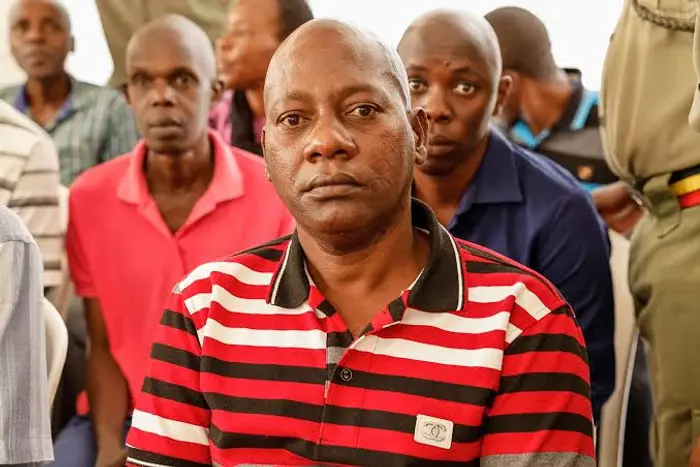
A Kenyan father who lost all six of his children in a horrific religious cult tragedy has recounted his heartbreaking experience following the conviction of doomsday preacher Paul Mackenzie and his co-defendants over the deaths of 191 people.
Stephen Mwiti, 48, told the BBC that his six children died in Shakahola Forest, where followers of Mackenzie were allegedly encouraged to starve themselves to death in preparation for meeting Jesus before the end of the world.
The grieving father said he had managed to locate and bury the remains of only one of his children, his son Samuel, leaving him with the painful uncertainty of what happened to the other five.
Recalling how his family became involved with Mackenzie’s religious movement, Mwiti said the preacher’s teachings first entered his home through a television set before his loved ones became followers of his church.
“This little thing here was the start of all my misery,” Mwiti reportedly said, pointing to a television and cable box inside his home in Malindi, a coastal town in Kenya.
He also recounted confronting Mackenzie after becoming worried about the preacher’s influence on his family and the developments surrounding their involvement with the religious group.
According to the BBC, Mwiti’s former wife was among those convicted alongside Mackenzie in the murder case.
The verdict was delivered on Monday, October 19, 2026, when Justice Diana Kavedza Mochache found Mackenzie and 28 co-defendants guilty of murdering 190 children and one adult.
The conviction marks a major development in one of Kenya’s most disturbing religious cult cases, which came to public attention in 2023 following the discovery of mass graves and survivors suffering from severe malnutrition in Shakahola Forest, in Kilifi County.
How Paul Mackenzie’s Religious Teachings Led to the Tragedy
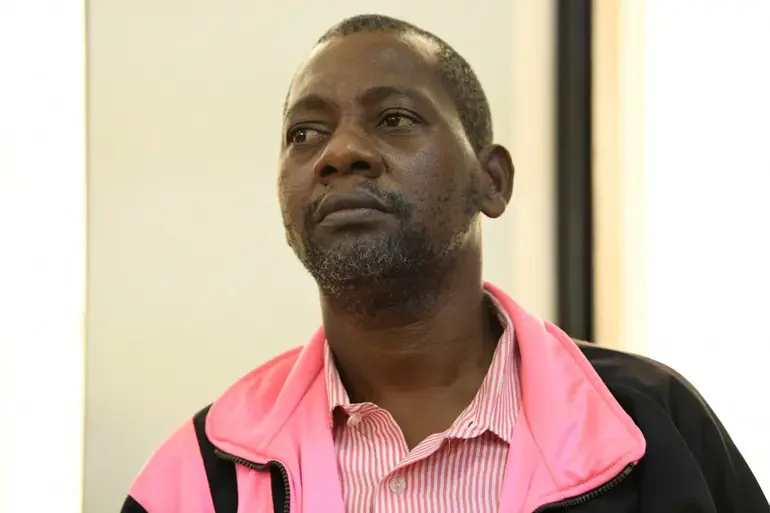
Mackenzie founded the Good News International Church in 2003 and became known for preaching an apocalyptic message centred on the belief that the world was approaching its end.
Prosecutors told the court that he encouraged followers to undertake extreme fasting, allegedly persuading parents to starve themselves and their children so they could reach heaven and meet Jesus.
The preacher was also reported to have condemned formal education and modern healthcare, teachings that investigators and former followers said contributed to the isolation of members from mainstream society.
During the trial, the court heard that the group operated an organised system in which religious teachings and a hierarchy were allegedly used to enforce the deadly fasting practices.
In delivering the verdict, the judge reportedly described how some children were isolated and denied food while their parents watched.
Mackenzie denied the murder charges, maintaining that he had not forced his followers to starve themselves. However, the court rejected his defence and convicted him alongside the other defendants.
Shakahola Forest Mass Deaths
The case emerged in April 2023 after police began investigating reports of missing people and discovered shallow graves and severely malnourished survivors in Shakahola Forest, located in Kenya’s coastal Kilifi County.
The investigation subsequently uncovered a mass-death tragedy, with more than 400 bodies reportedly recovered from the forest.
Many of the victims were believed to have died from starvation, although investigators also identified other causes of death, including suffocation and injuries.
The 191 murder convictions relate to only part of the wider tragedy. Investigations into other deaths are continuing, while Mackenzie faces separate legal proceedings over additional alleged offences.
The case has also raised serious questions about how the preacher was able to continue his activities despite previous encounters with law enforcement authorities.
Police had investigated Mackenzie’s activities before his church was shut down in 2019. He subsequently moved his operations to Shakahola Forest, where the deadly events unfolded.
Mackenzie and his co-defendants are expected to be sentenced on November 6, 2026. His lawyer has reportedly indicated plans to appeal the convictions.
For Mwiti, however, the court’s decision cannot undo the devastating loss of all six children. His account offers a painful glimpse into the human cost of the Shakahola tragedy, as families continue to grapple with grief, unanswered questions and the consequences of the deadly cult’s activities.